The Intricacies of Jueteng: A Persistent Dilemma in the Philippines
Jueteng, a well-known illegal numbers game in the Philippines, persists despite numerous efforts to eradicate it. Originating from Chinese immigrants, Jueteng has become deeply entrenched in Filipino society. The game, although illegal, is seen as a social and economic activity that offers livelihood opportunities and thrills to many. The persistence of Jueteng presents various challenges and questions about the Philippine government's capability to enforce its gambling laws.
Understanding Jueteng
Jueteng is similar to a lottery game where bettors choose a combination of numbers from 1 to 37. These numbers are then drawn twice a day. The game is widely popular in Luzon, particularly in provinces such as Pangasinan, Pampanga, and Rizal. Played clandestinely, it involves a wide network of operators, financiers, and collectors known as ‘kubradors’ who solicit bets from players.
Despite its illegality, Jueteng continues to thrive largely due to its simplicity and the opportunities it provides. Many Filipinos participate in Jueteng hoping to strike it rich. Additionally, it offers employment for thousands involved in its operations, thereby complicating its eradication.
The Role of the Government and Law Enforcement
For decades, the Philippine government has tried to eliminate Jueteng with varying degrees of success. Past administrations have launched anti-Jueteng campaigns, often capturing headlines but rarely yielding long-term results. Corruption within law enforcement and local governance is a significant impediment to these efforts.
The Philippine Charity Sweepstakes Office (PCSO) offers legal alternatives such as small-town lottery, aiming to curb Jueteng’s influence. However, these legal measures struggle to compete, often being seen as less accessible or rewarding by gamblers.
Socio-Economic Factors Influencing Jueteng
Socio-economic conditions in the Philippines provide a fertile ground for Jueteng. With prevalent poverty and limited job opportunities, many Filipinos are driven towards Jueteng as a source of income. For the marginalized, participating in Jueteng is a means to earn quick money without needing significant resources or education.
Communities that host Jueteng often benefit economically as the game pumps money into the local economy. These economic benefits to individuals and communities often outweigh the potential risks associated with participating in the illegal activity.
The Social Dynamics of Jueteng
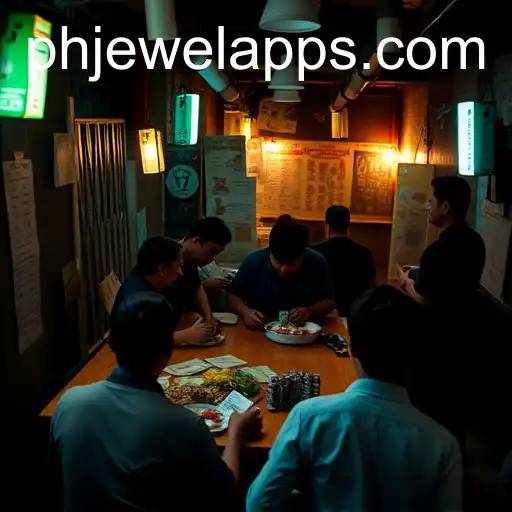
Jueteng is more than just a gambling activity; it is a social institution within communities. It brings people together and fosters a sense of camaraderie among players. This social aspect often adds to its allure, with people betting not only for financial gains but also as a part of their daily social interactions.
However, this social glue also makes Jueteng difficult to dismantle. Many community leaders and officials turn a blind eye to Jueteng or are complicit in it, due to the economic benefits and social pressures involved.
Attempting Reforms Amidst the Challenges
Efforts to reform and curb Jueteng must focus on the underlying socio-economic issues. Addressing poverty and increasing employment and educational opportunities can deter individuals from relying on Jueteng.
Reforming the gambling laws and successfully implementing systems like the PCSO's small-town lottery is crucial. A competitive, transparent, and fair legal gambling alternative might draw participants away from Jueteng.
The Way Forward: Balancing Tradition and Law
The long-term eradication of Jueteng requires not only strict law enforcement but also significant socio-economic reforms. A concerted effort from the government, private sector, and civil society is necessary to prioritize legitimate income-generating opportunities over illegal gambling.
The challenge lies in transforming Jueteng from a social institution into one subject to the rule of law. By balancing the socio-economic roles it plays in communities with lawful practices, the Philippine society can find a middle ground that satisfies both legal requirements and community traditions.
The Enduring Journey of Jueteng
As the Philippines continues its journey toward progress, the issue of Jueteng serves as a complex test of governance, systemic reform, and societal values. Addressing it requires comprehensive policies that respect the traditions and realities of Filipino society while offering clear pathways to legitimate and equitable socio-economic advancement.